What Would Walt Do?

May 20, 2021

Opening Experience Design...the Disney Way. 

Close your eyes and dream with us for a moment while we drift back into the not so distant whimsical yesteryears of live events. Your heels are high, your patent leather loafers shine and there's a little swag in your step. Cocktail glasses clink all around you and the stage is alight with song and dance. Your dear friends are to the left and right of you. Magic.

Now open your eyes. 

Today, our design constraints are different than they once were. Guest comfort level is different. But the magic that our guests expect, the magic that our industry wants to create, THAT magic hasn't gone anywhere. 

So let's dream together about the magic we will create in the future of event design. The answers might be closer than you think, perhaps they've been right under your nose all along. So, we ask: "What would Walt do?"
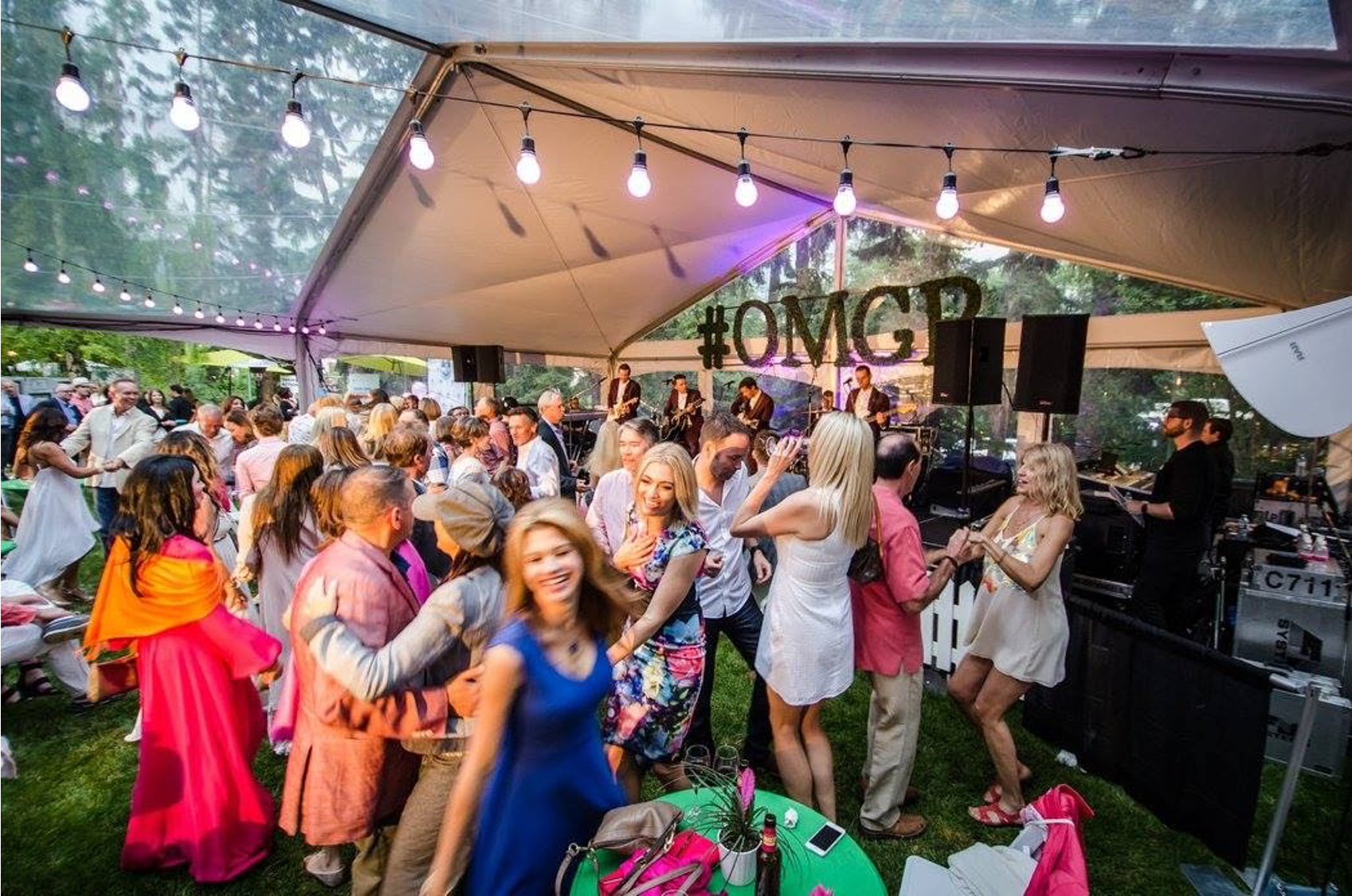
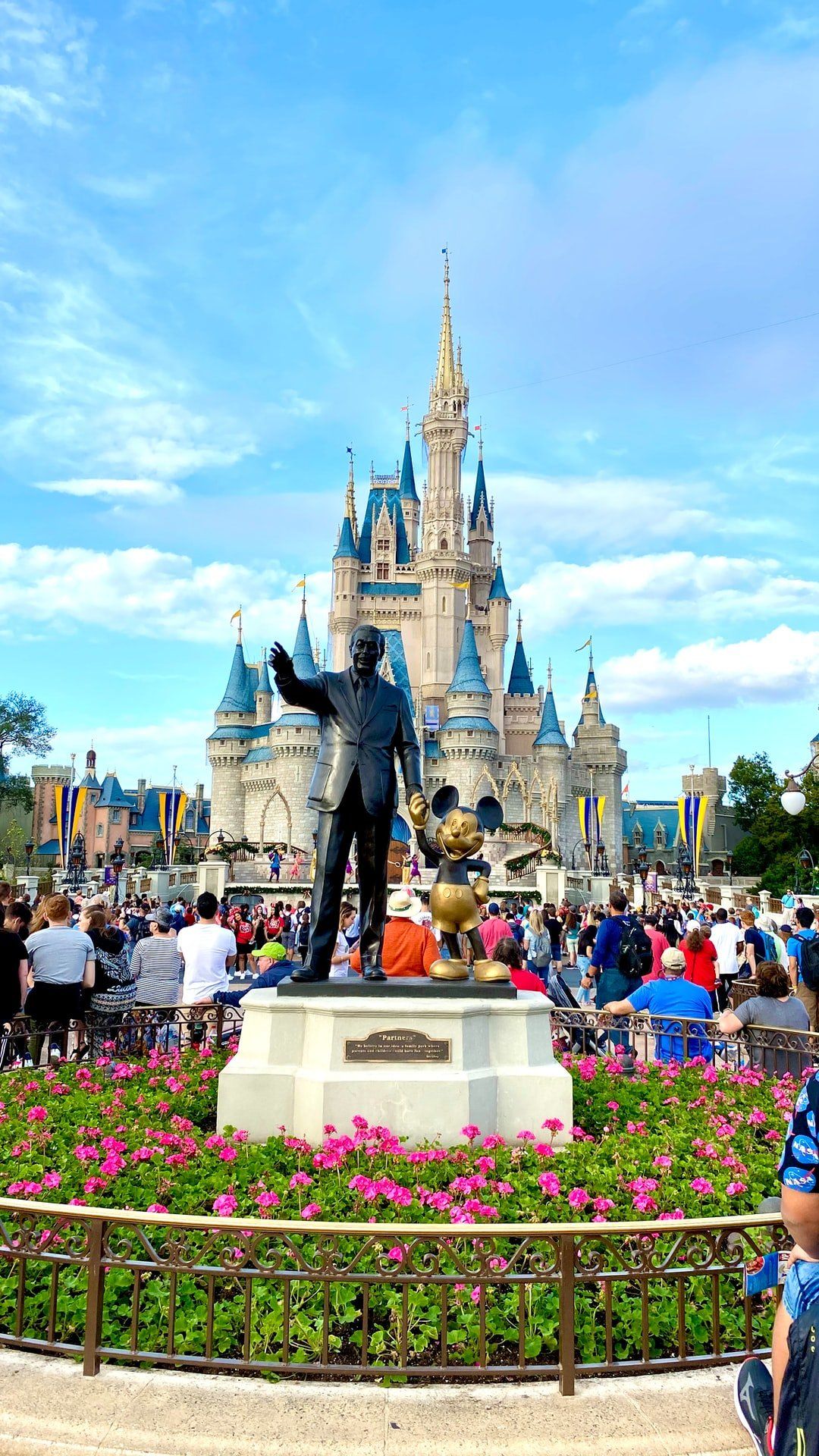
Well, Mr. Disney happened to create the most magical place on earth and, long before COVID19, created safe and spectacular experiences for people of all ages. He not only faced challenges head on, but he explored every nook and cranny of a challenge until he turned it into a magical opportunity to whisk people away to discover exciting and new experiences. Do you remember? Tomorrowland. Frontierland. And most recently, Star Wars: Galaxy's Edge. 

Today, it is our job to embrace the challenges we face, to integrate safety into the events we produce and to bring the magic of events to the forefront in adaptive and unique ways - maybe even with Walt guiding and pushing us along. 

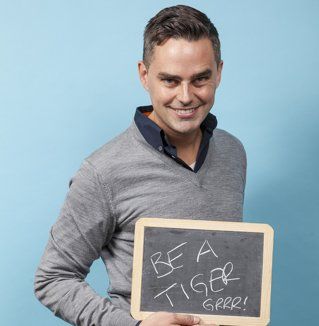
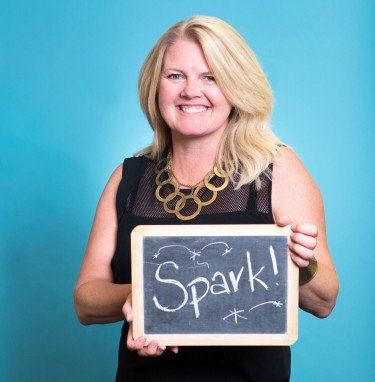
So where do we start? We sat down with Keri and Trevor, magic-maker extraordinaires, to discuss their perspectives on how we design the future. Spoiler alert: it'll be quite the ride! 


Q. In the interest of dreaming of the future, Trevor, what comes to mind when you think of being immersed back into a live event?

A. So many things. What excites me most about gathering together in person once again are the limitless possibilities to create new experiences that are even more meaningful than before. It’s been awe-inspiring to see how we have all adapted over the last year and I’m intrigued to see how live event experiences come to life in new and unexpected ways. It’s going to be a challenge, but never boring that’s for sure. Admittedly, I’m also looking forward to seeing people indulge in ways they hadn’t before. I hope guests will walk into events with more excitement than ever before. There will be a lot of anticipation alongside a bit of fear for some people . . . it is our job to make people feel as safe as possible while experiencing the unimaginable. 

Q. Yes! - we are all craving that excitement again, while still understanding there will be differences in the design approach. In your opinion, how do we bridge the gap? How do we begin to wrap our head around designing spaces in this new way?

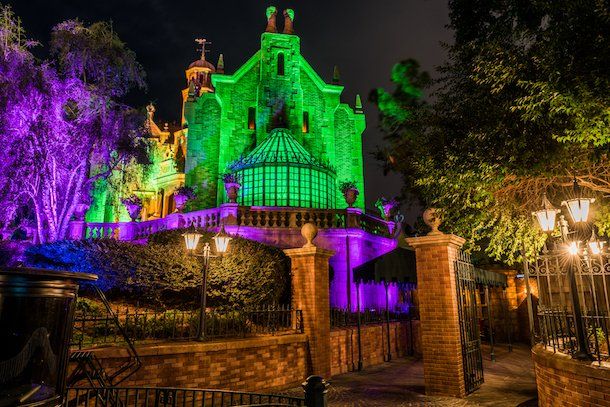
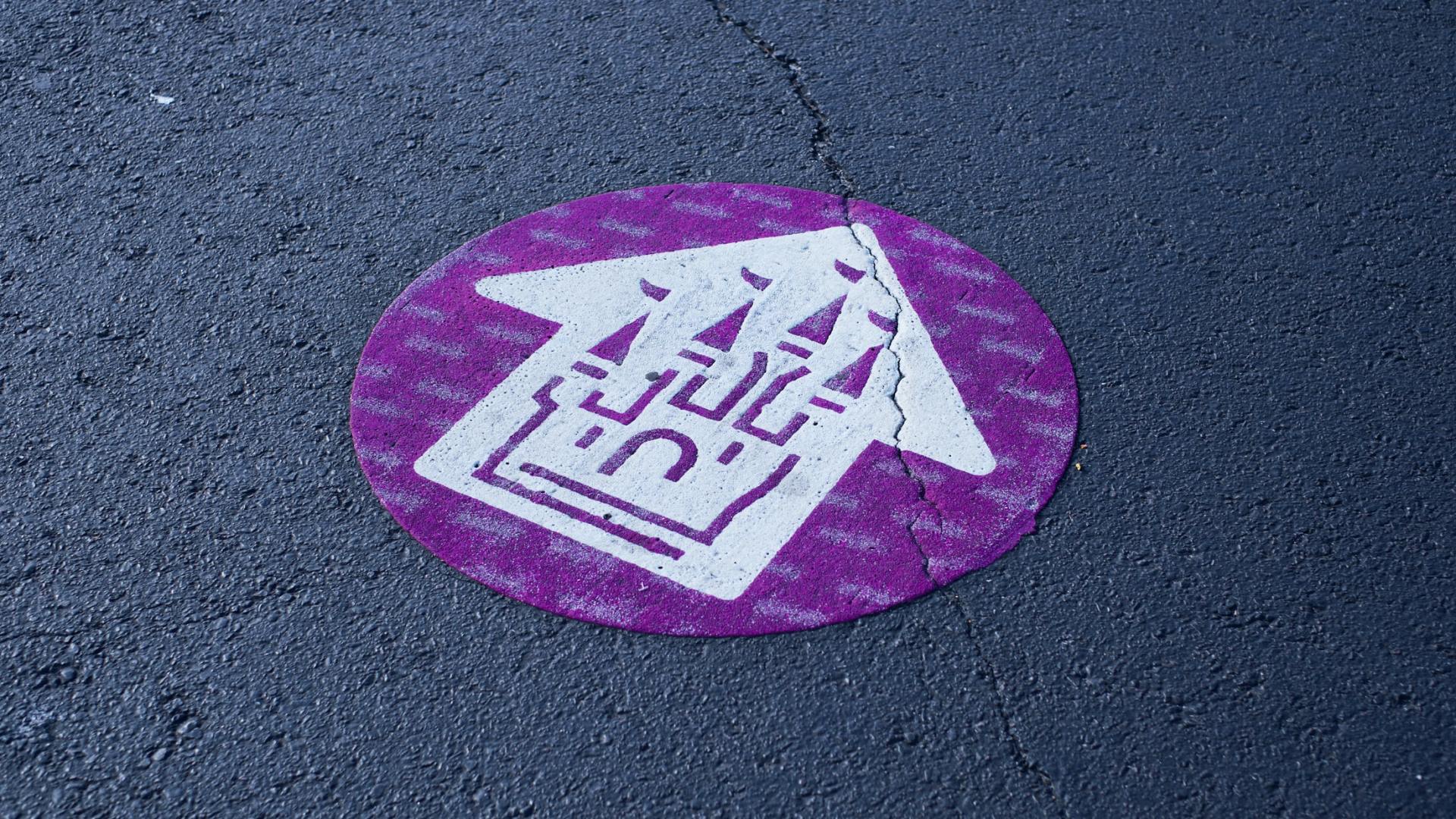
A. We will all need to ease back into live events in our own way. There will not be a one size fits all solution for sure. But . . . we already know there’s a way to get a certain amount of people together in a safe and extraordinarily memorable way. We sat down together as a team and started discussing theme parks, then asked each other: “What would Walt do?” Immediately, I thought of the Haunted Mansion experience at Disneyland. When I was a youngster, I remember a trip with my family to the Magic Kingdom - one of the most wondrous places on earth for people of all ages. While you might not realize it, every attraction in the park is hyper-controlled, built by master architects and created with safety and ultimately, a timed and strategically executed user experience in mind. Not many people forget their first time in the Haunted Mansion. Even the lineup conjures up feelings of chilling anticipation for what’s in store and is an experience in and of itself as you pass by manicured gardens and a pet cemetery. The experience starts when you line up. Once you enter the Colonial styled building (inspired by the Harry Packer Mansion in Pennsylvania) you are given your restriction and instructions, are corralled together safely with a specific number of people and the pre-show begins. Sound familiar? Experienced event producers are well equipped to create once in a lifetime experiences that are not only safe, but as memorable as your first time at Disneyland. 
Q. That is a really interesting perspective! It helps visualize how we might move through a space - especially being able to relate to an experience the majority of us have already experienced. 

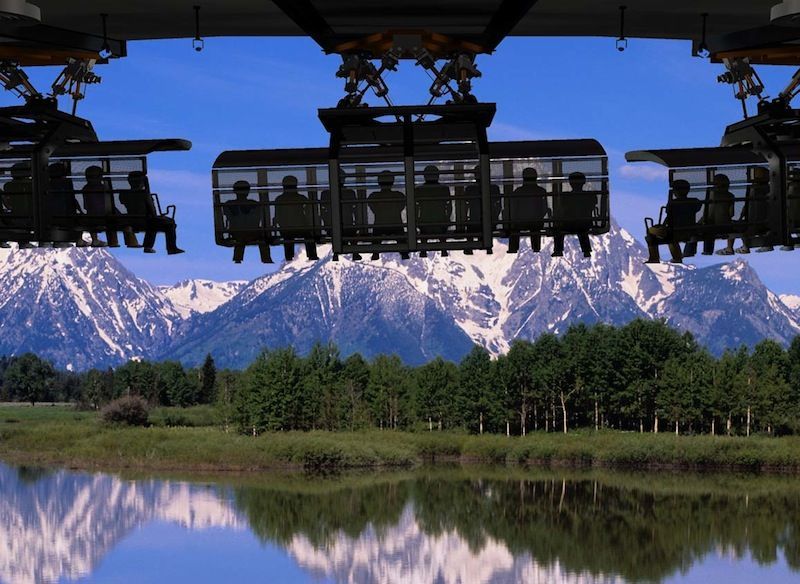
A. Yes! In Canada, we have theme parks across the country complete with gravity defying roller coasters and other more subdued attractions. Not as elaborate as Disneyland, but many of us are used to these types of controlled experiences. Fly Over Canada in Vancouver is a great example of a multi-sensory experience that literally takes its guests from coast to coast to coast complete with scent machines and misting water emulating nature (Niagara Falls). Sound familiar again? We really can learn a lot from these types of attractions and transfer the techniques they use to the new era of events.

Q.  I like that you mentioned experiences like FlyOver Canada, and Roller Coasters. Those experiences tend to have some extra steps in the process, safety checks, and the like. Keri, let’s bring your opinion into this question - will these processes translate to live experiences? 

A. I love Trevor’s insight and idea of comparing theme park attractions with the opening of live events, and the anticipated constraints we can expect. Attendance could be tiered, they will be in smaller, controlled groups, with the goal of creating big impact with multiple,  timed “showings”. 

Let’s embrace the constraints of the restrictions to innovate and create awesome experiences that can develop as attendance restraints relax. COVID safety, while #1, isn’t going anywhere. We will adapt with the changes and these will become the new industry standards, which should not drive the experience, but facilitate it. 

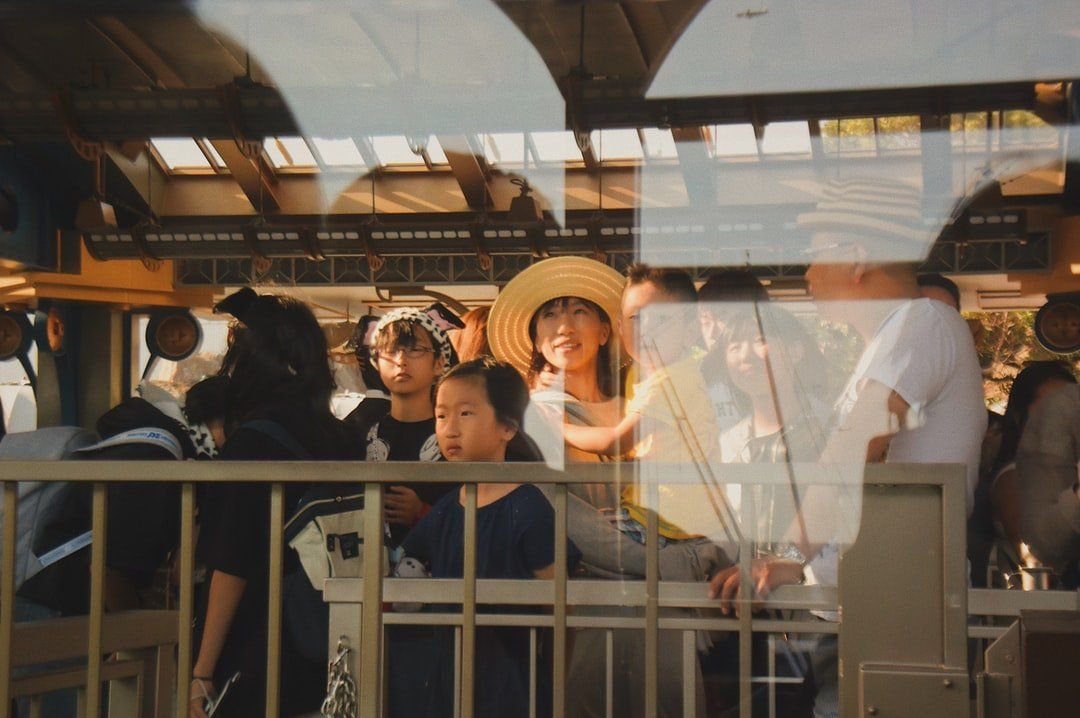
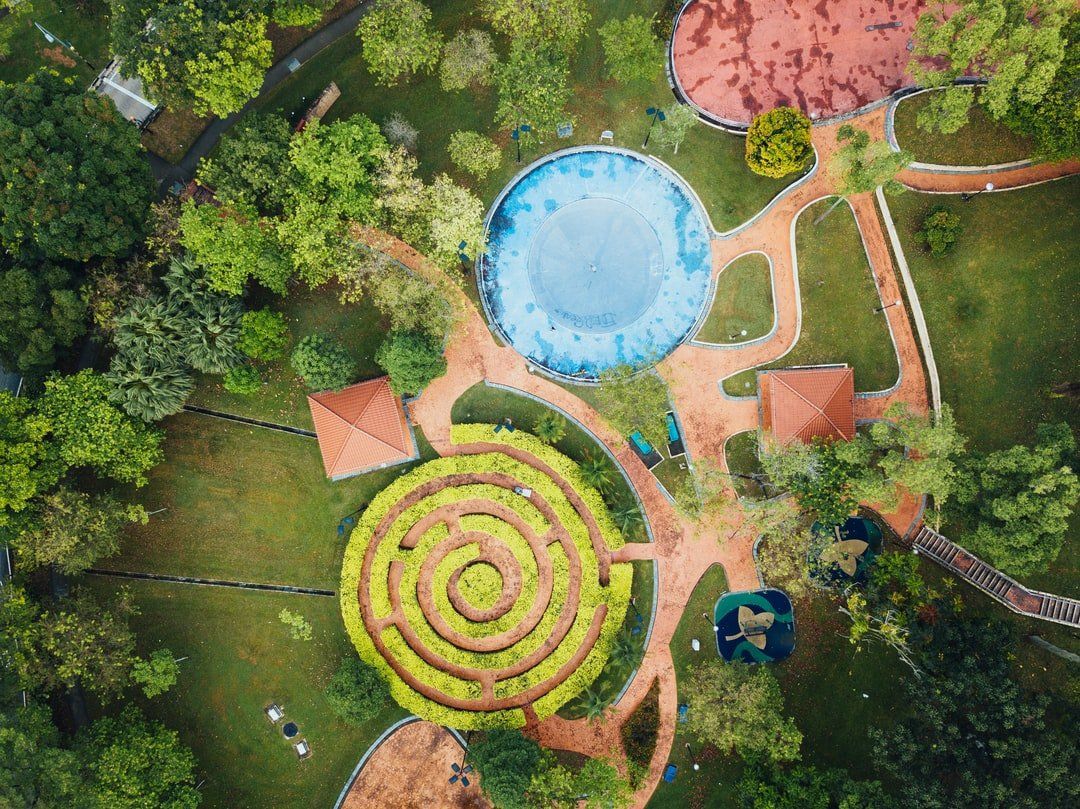
Theme parks outline the requirements before getting in line, for example, "you must be this tall to ride", or "riders under the age of 8 must be accompanied by an adult". Now translate that into public events. Once in the queue, you are ushered, just like at an airport, theme park ride, or drive in, through a series of bends and turns. What if each “check-point” was entertaining and engaging? A maze...but Amazing!

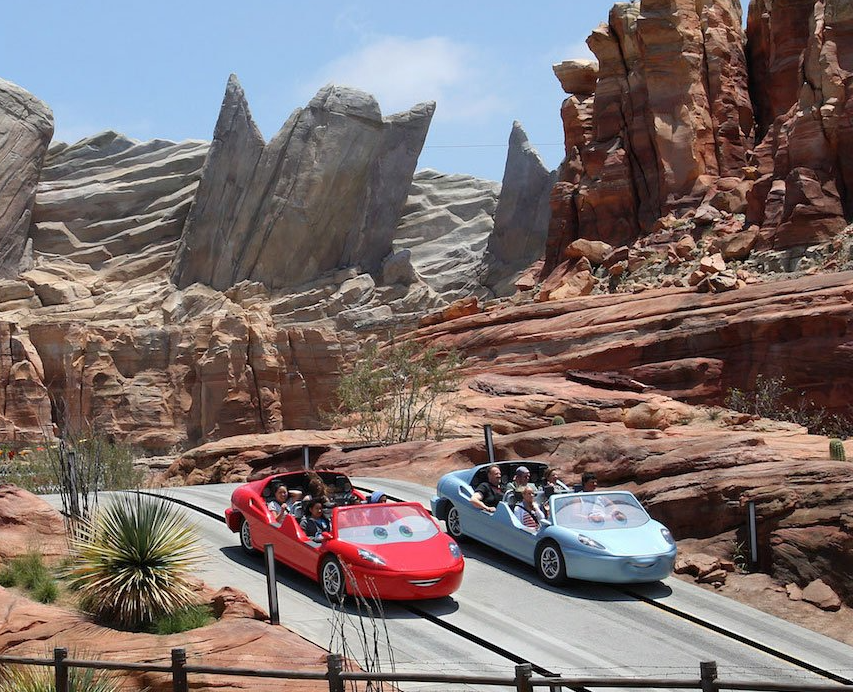
Once you’ve made it to the main attraction, you are placed in a log, spinning teacup, or car with your cohort, and transported through an experience designed to create anticipation, exude joy, and feel exhilaration, amongst moments of brilliance. We are then eased out of the experience, minds blown, excited and wanting more, often heading straight back into line. 

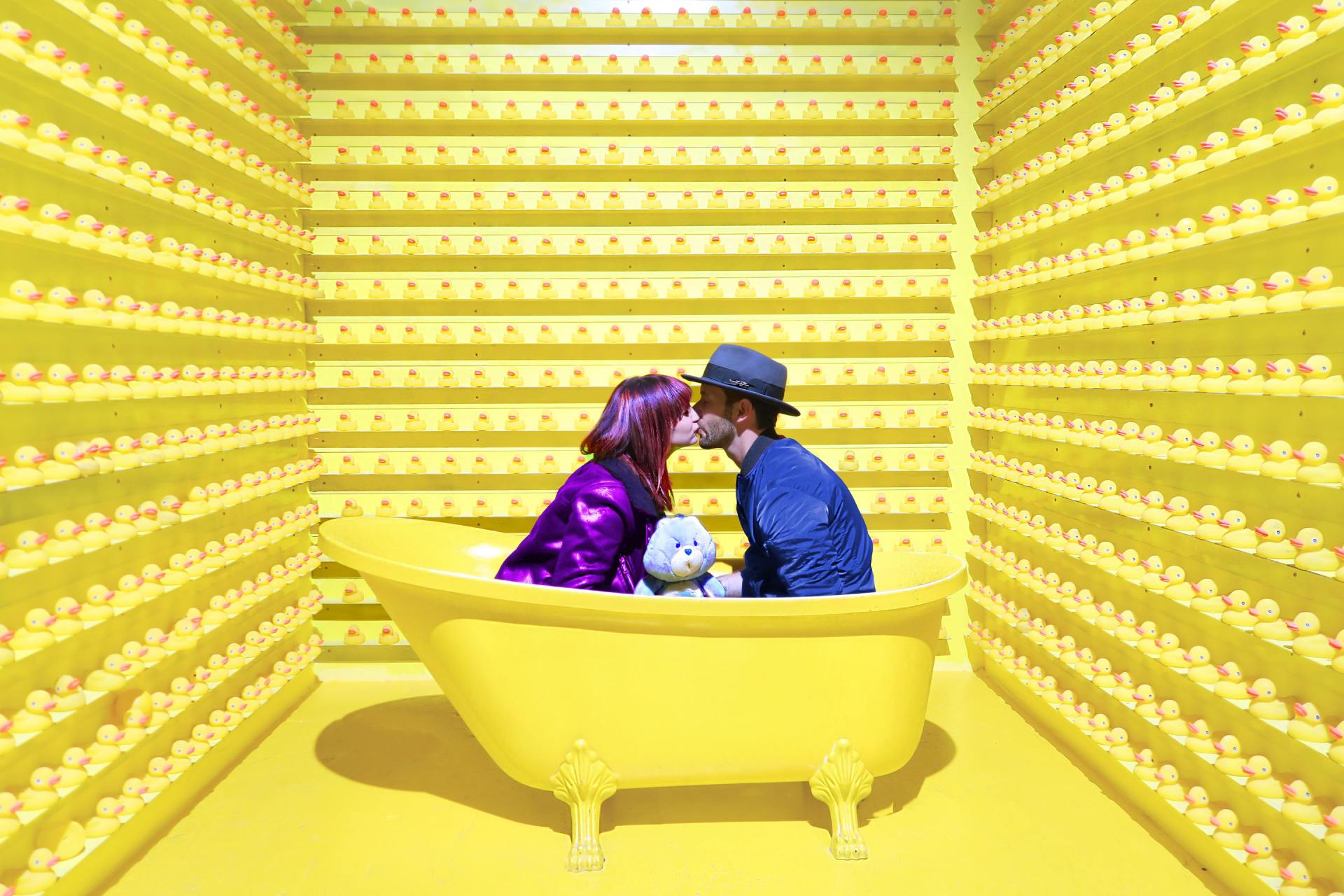
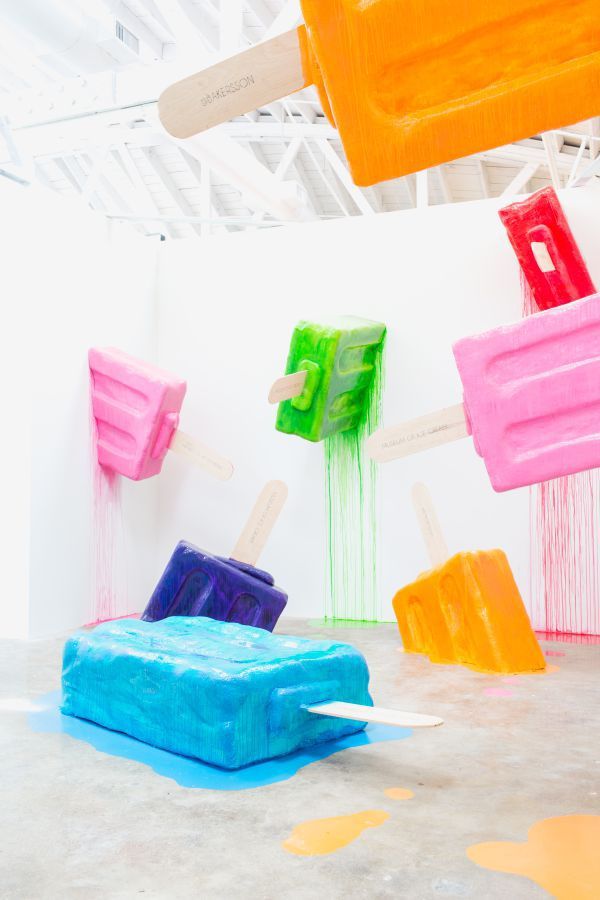
We do not have to attend an event by sitting still, in separated seating and watch bigger content on a bigger screen than in our homes! What if we were moved through an experience, much like a perfectly curated museum, or theme park ride, safely with the event experience surrounding and engulfing us? Think of the Museum of Ice Cream - the scheduled crowd movement, the immersive rooms, the engaging and interactive creative spaces - which guests are willing to invest time and money in.

Q.  That makes sense - we are all so adaptable! Particularly when information is communicated simply and clearly. Keri, can you think of a project that the team has executed that demonstrates participant movement in this way?

A. I’d like to think that all of our work is designed in a way that creates energy and impact for guests the way a theme park ride does! We write our design stories for the guests with a “walk in their shoes” methodology, with impactful and thought provoking content . We creatively hit all the senses. That methodology doesn’t change in these new circumstances. The physical logistics of gathering people to dance, celebrate and network changes, but the idea of immersing guests in a storyline does not. 

One project in particular I recall that did this well and could easily be revised to today’s standards is our celebrated RGO 4.2 Relaunch from 2013. This event was created to move people through a space so they could see, feel and experience each location and its unique product or service offerings. 

It was a journey. There were creative installations and engaging elements, featuring the client’s products in cool ways. It culminated in a speech and gathering, but today, that content could have been delivered differently. Today, that event would be a staggered 60-minute timed experience for 65 guests...stretched out over a day, rather than a 4-hour event for 400 people at once. 

We would deliver bespoke moments to strategically curated guest groups, all through purposeful, impactful content, rather than it potentially being diluted or missed by people experiencing it on their own. The ROI for the client would be easier to achieve and analyze, really there are some amazing opportunities to rethink past events right now!

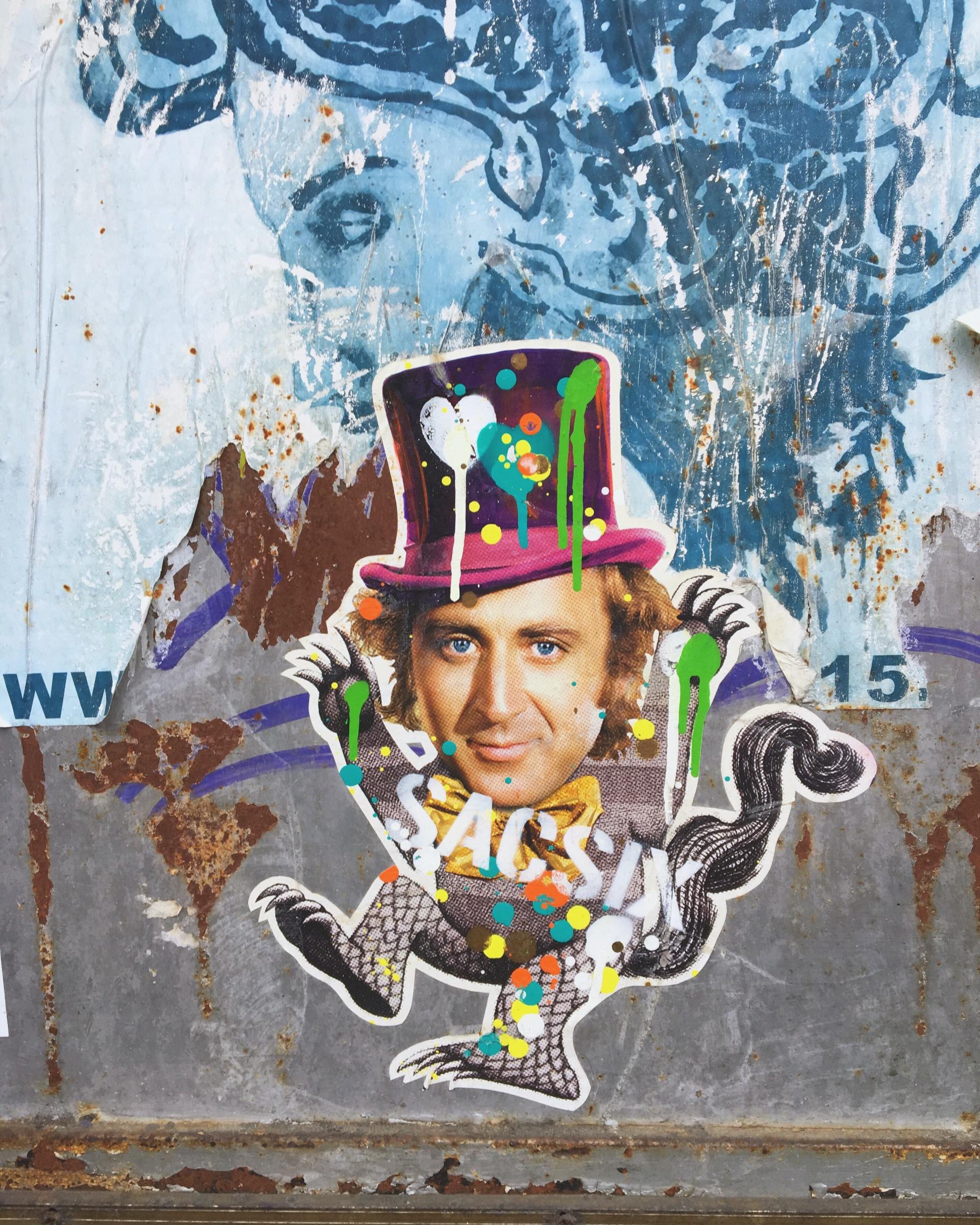
Q. Ok, let’s end on a fun one: If you could design an experience like the Museum of Ice Cream, but themed around a theme-park ride, what would it be? Give me an “elevator pitch” of what different rooms would feature.

Trevor: Ooh! Can we just swap out the ice cream for candy? No. Better yet, give us ice cream AND candy. (Our team has a huge sweet tooth. Okay . . . I have a HUGE sweet tooth.) Think Willy Wonka’s Chocolate Factory, but with local confectionery and sustainable items all brought to life with brands from our own backyard. In this economy, we need to support our local partners!

For the after party, people could walk down the “garden path”, pull a carrot juice out of the ground, perhaps pear spritzer from a tree, or snag a spiked lemonade from a lemonade stand, and head into Hansel and Gretel’s gingerbread house, where candy cane dance floors await under marzipan chandeliers. 


We think Trevor is hungry...

You get where we are going. The answers have been right in front of us all along. Thanks Walt [and team]!


THE END...or is it The Beginning?


Join our eNews newsletter and stay connected with all things e=mc² [ Join Now ]
September 25, 2026
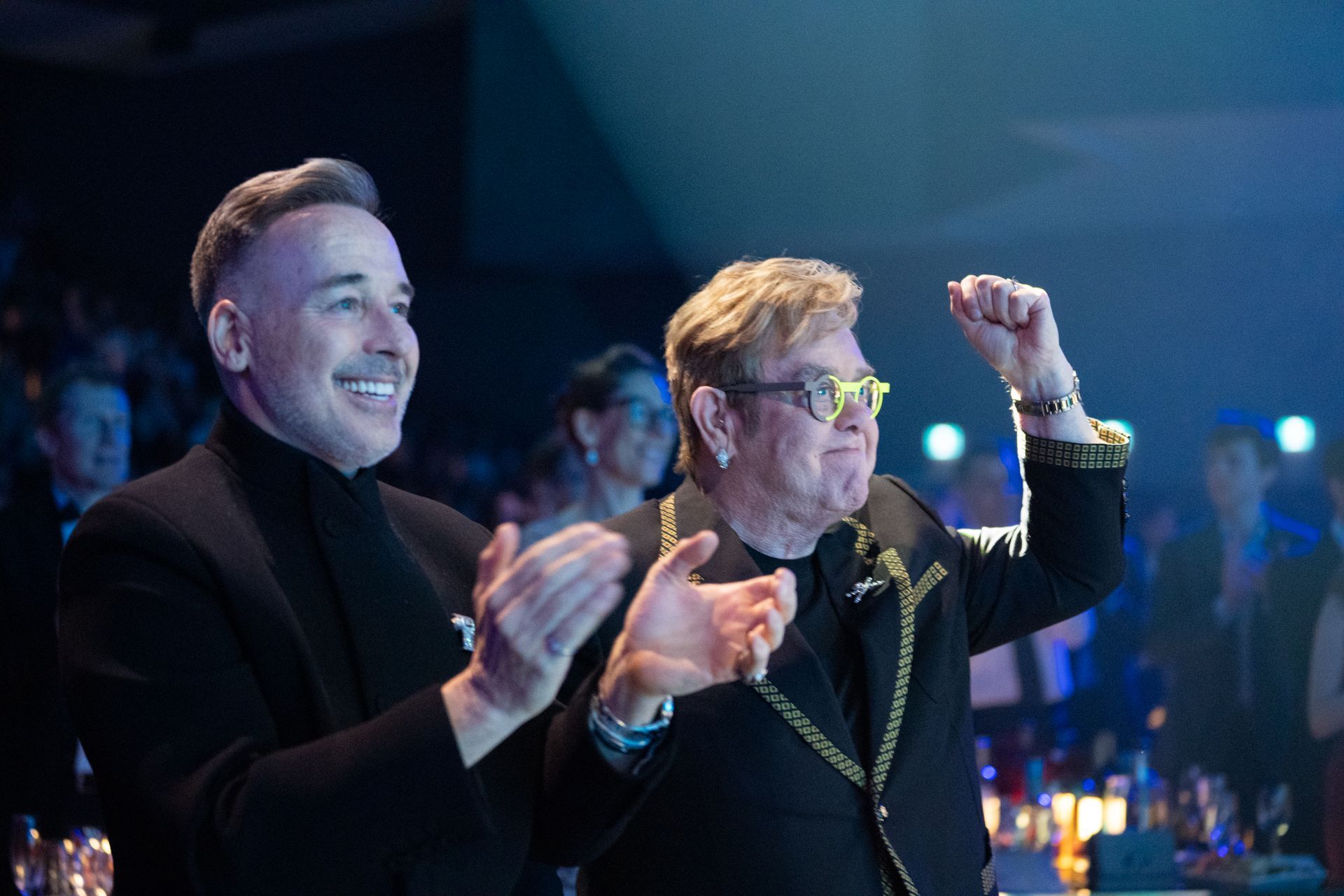
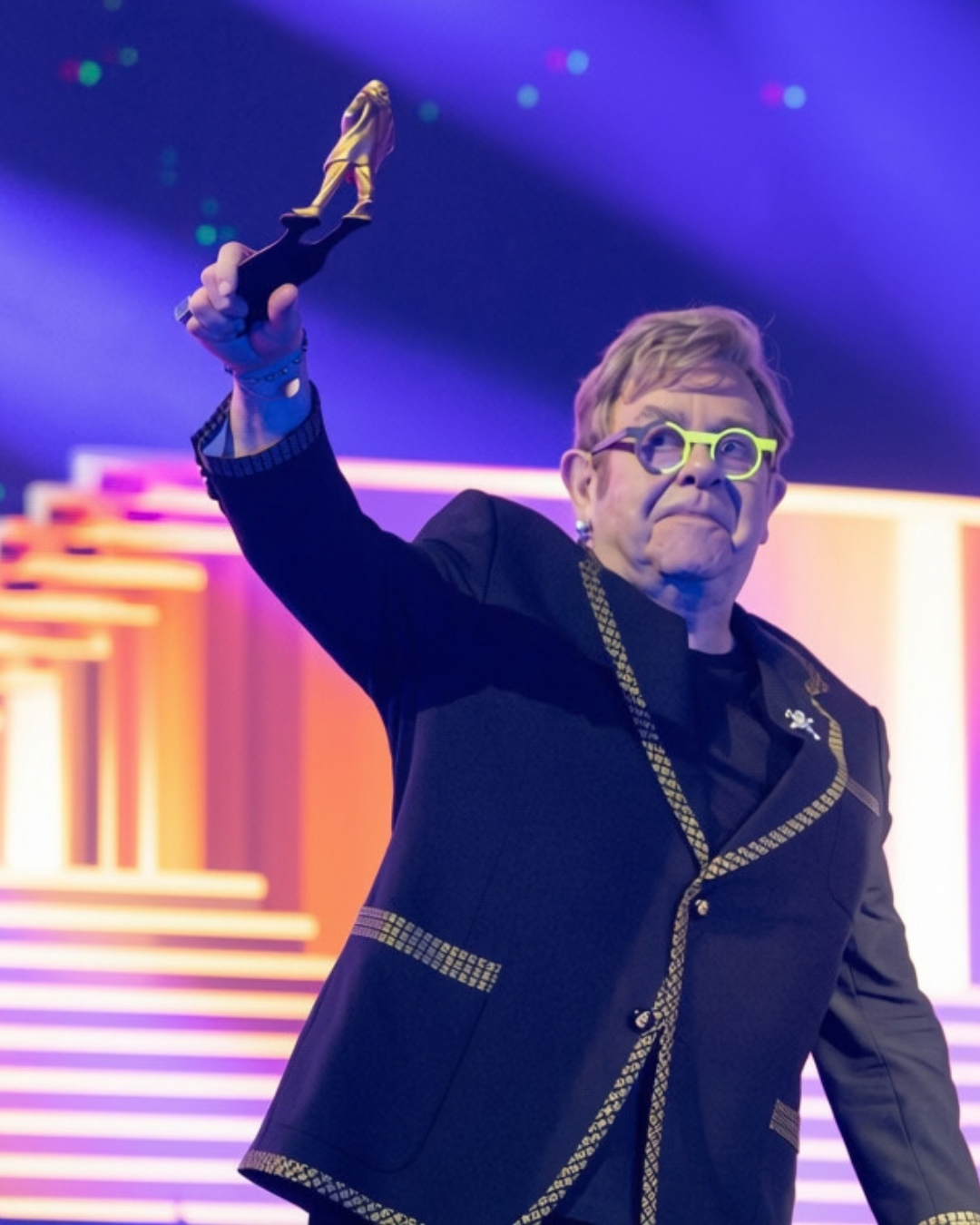
In May 2026, we had the absolute honour of producing the Glenn Gould Prize Gala for the iconic Elton John. The Glenn Gould Prize is one of the world’s significant international arts honours, recognizing a living artist for a lifetime of artistic achievement and their contribution to the human condition through the arts. Established in 1987, it honours artists who embody the innovative spirit of Canadian pianist Glenn Gould. Elton John was the 15th Laureate. The evening was filled with Elton’s music, performed by an extraordinary group of Canadian artists hand-selected by Elton himself. Diana Krall, Sarah McLachlan, The Beaches, Ron Sexsmith, Jeremy Dutcher, LOONY, Emily D’Angelo, Ryan Wang and more. It was a pretty spectacular group of humans to have in one room. My role was designing the guest experience, particularly the VIP floor sections, as well as the logistical movement of Elton and his team. In other words, I was thinking about how the audience, the artists, the production and the guest of honour could all exist together in one big, beautiful, slightly complicated ecosystem. It’s the part of event design I love. The little details you might not notice unless they’re not right. And this story is about two chairs. First, Glenn’s chair. I have to confess: before this project, I knew Glenn Gould primarily as the guy whose statue I walked past outside the theatre in Toronto that bears his name. I knew the name. I knew he was a Canadian musical genius, but I did not know about the chair. For the show, our creative team dug deep into the parallels between Glenn and Elton; two extraordinary artists who found their way through music, pushed boundaries, had distinctly individual personalities and, in their own ways, were a little bit kooky. Both brilliant. Both completely themselves. And then I discovered Glenn’s chair. Gould’s famous piano chair began as a wooden folding chair. His father, Bert Gould, modified it in 1953, shortening the legs and adding a mechanism that allowed each leg to be adjusted independently. It put Gould extraordinarily low to the piano, about 14 inches from the floor, and became an essential part of the way he played. He took it with him throughout his performing and recording career. Of course, once I knew about the chair, I wanted the chair. I could see it. Centre stage. Pride of place. A little piece of Glenn Gould physically sitting in the middle of this celebration of Elton John. We knew our musical director, Scott Price, wasn't going to actually use it as his piano chair. So…what do you do with a very famous chair that isn't going to be used as a chair? Enter our Producer, Jessica. She had the brilliant thought of bringing the replica of the chair into the segment celebrating Billy Elliot , the musical with music by Elton John. In the show’s famous Dream Ballet, Billy dances with a chair before the chair becomes part of the larger choreography and the dream of flight. Suddenly, Glenn’s chair had its place and it became a little glistening icon for the musicians and performers who recognized it immediately. And then there was our piano tuner - I will never forget the look on his face when he saw the chair. This is a man who spends his life making pianos sound perfect. And suddenly, sitting there in front of him, was a famous little piece of musical history. He was thrilled and of course we took a photo. Because sometimes the people who make the show happen behind the scenes deserve their own little moments too. And then there was Elton’s chair. At the same time, I had another chair situation. I was responsible for creating the space where Elton and his husband, David, would sit with their friends and experience the show. We didn’t want Elton tucked away somewhere. We wanted him in it . We wanted the artists to come to him. We wanted him to be part of the room, part of the audience, part of the celebration. We wanted the guests to feel connected to the stage rather than separated from it. And, of course, we wanted the thousands of people in the room to feel like they were celebrating with him. So obviously, I became obsessed with his chair. It may sound a little ridiculous, but these are the details that matter. I wanted the perfect chair for Elton. I researched his height, viewed him in other chairs, looked at design images of his homes and watched people sit in a variety of chairs to see how they landed, used the arms and if their legs were firmly planted or dangling…it needed to be: Beautiful? Obviously. Interesting? Absolutely. But most importantly: comfortable. I tested chairs. Seat height. Seat depth. Seat width. Fabric. Sturdiness. Armrest placement. Scale. And, importantly, what happened when a person got up out of the chair. Because Elton was going to be standing up. A lot! There were going to be standing ovations. There were going to be hugs. There were going to be artists coming down from the stage. There were going to be moments when he would need to move quickly. I wanted a chair that would hold him, surround him and make him feel comfortable. I wanted it to almost hug him. I wanted him to feel surrounded by friends. The show was spectacular. The emotion in the room was palpable. Elton felt the love. He was energized by the artists and the audience, and you could feel the joy moving around the room. And then something happened that none of us had quite planned for. He leapt out of the chair and joined the artists on stage for a finale that no one expected. It was spontaneous, joyful and completely electric. I like to think, just a little bit, that the chair helped. And suddenly, my ridiculous obsession with seat depth and armrest placement didn't feel so ridiculous. Two chairs. Two great artists. Glenn’s chair represented something much bigger than a piece of furniture. It was a physical connection to the artist we were honouring alongside Elton, a little piece of history that played a role in telling the story. Elton’s chair was about something else entirely. It made space for a human being to feel good enough, safe enough and comfortable enough to do something unexpected. Both chairs, in their own funny little ways, hugged a great artist. And that is what I love about experience design. The chairs did not make the show, but they created the conditions for wicked moments to happen. Sometimes moments are enormous, spectacular, impossible-to-miss things. And sometimes they’re a chair. These are the little things that nobody sees. The details that may never make it into the show reel. The things the guest may never know you obsessed over. But they feel them. And that, to me, is the whole point. Because the best experiences aren't just seen or heard. They're felt.
July 20, 2026
 Twenty-five Years
June 19, 2026
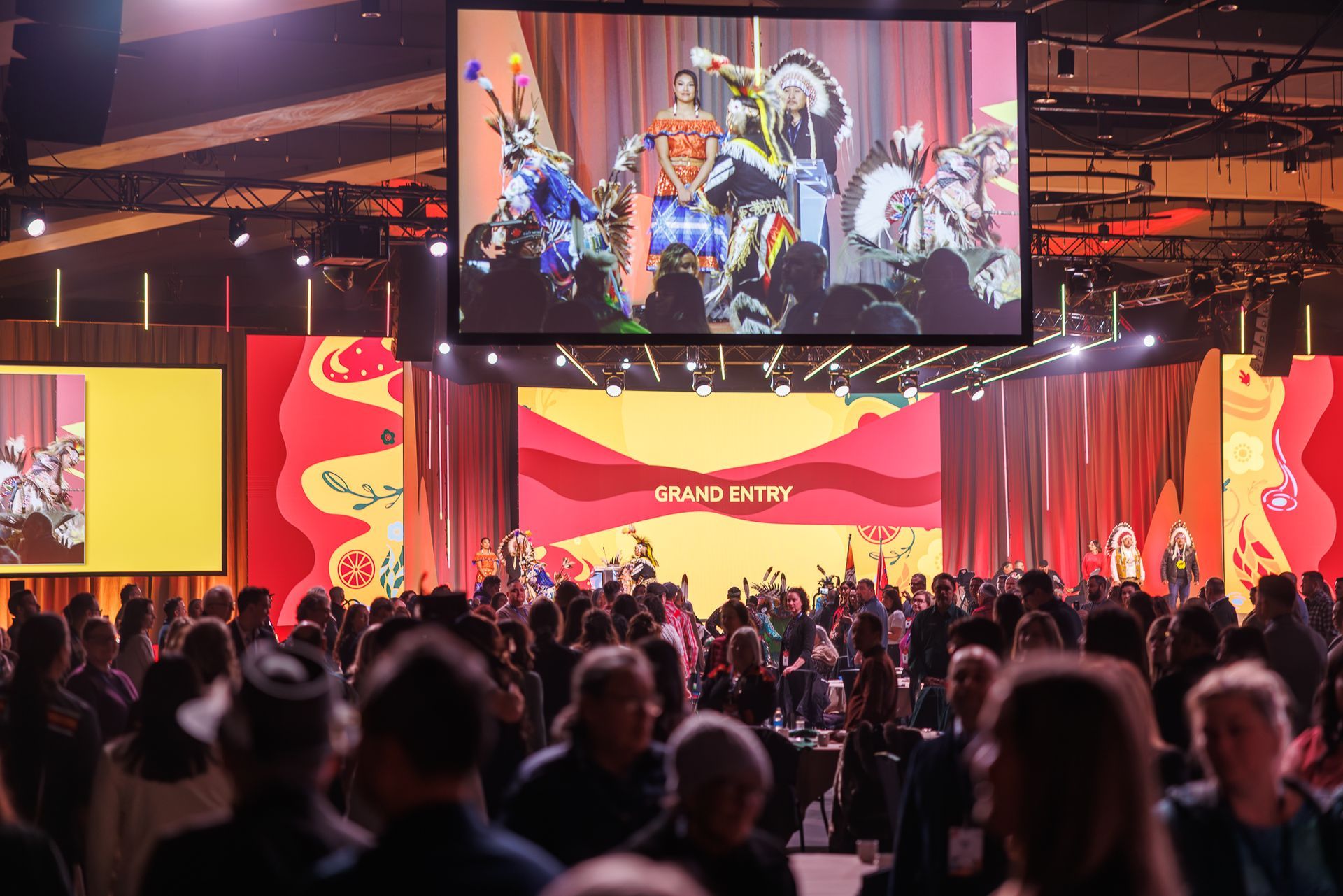
At "e" we strive to create events and conferences that make people feel something - guests, clients, vendors and even our team. In honour of National Indigenous Peoples Day [a dedicated time to recognize the rich cultures, histories, and contributions of First Nations, Inuit, and Métis], our Experience Coordinator Jordyn wrote a blog about her journey to finding a sense of belonging and community, and the profound effect that the International Indigenous Tourism Conference in Edmonton had on her. ----
June 15, 2026
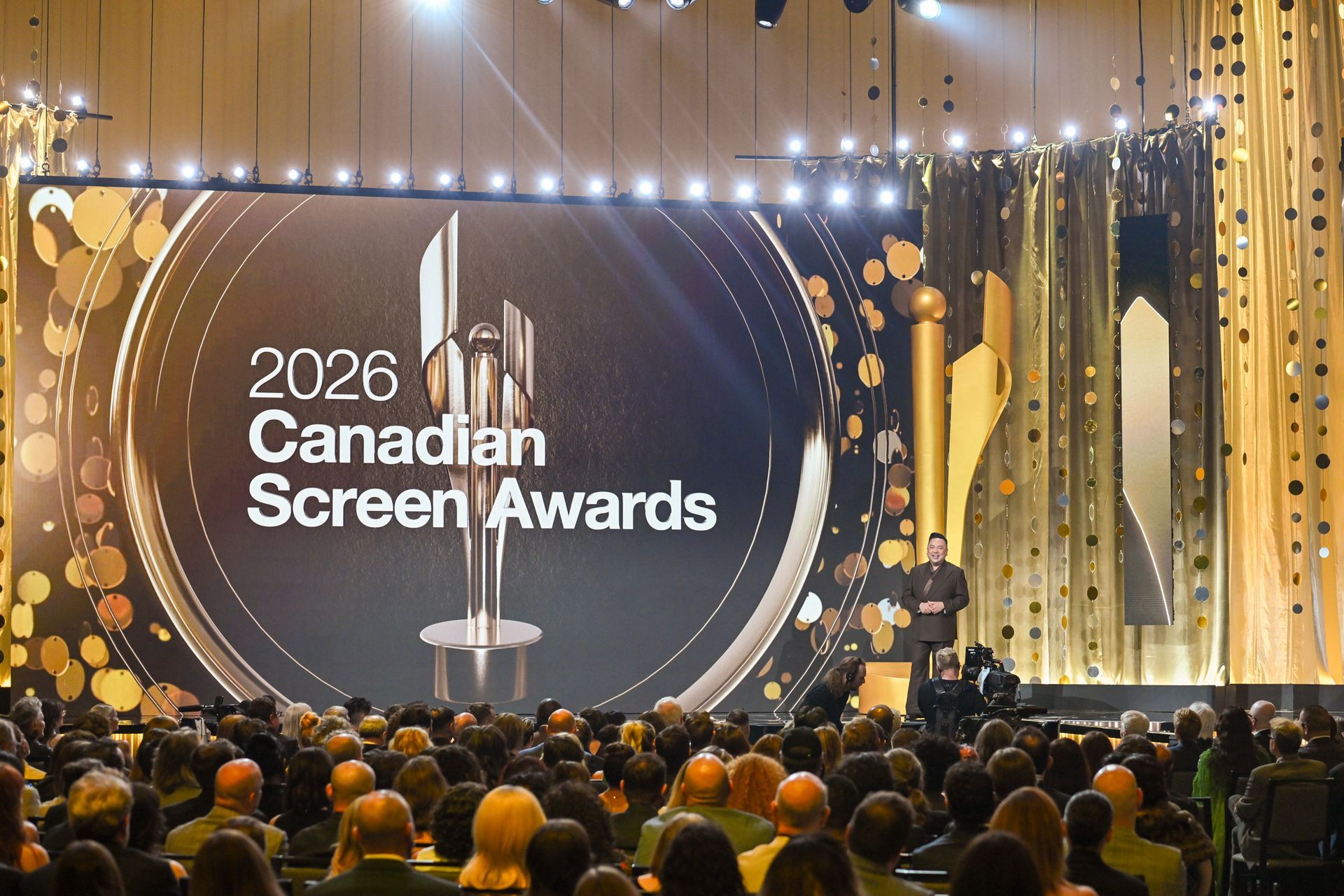
We have proudly produced the Canadian Screen Awards for many years, helping shine a spotlight on the incredible talent shaping the Canadian landscape. We are excited it caught the attention of The New York Times.
May 27, 2026
On May 9th, 2026, our team proudly produced the 15th Annual Glenn Gould Prize Gala, honouring Sir Elton John. From the very beginning, our goal was never simply to create a gala for people to watch. Our goal was to create something people could feel . An experience rooted in emotion, generosity, artistry, and humanity. One where guests left not only feeling more connected to Elton John, but also carrying a deeper understanding of Glenn Gould; his brilliance, his influence, and why his legacy continues to matter today. Every creative decision, every cue, every transition, every lighting moment, every note of music, and every conversation behind the scenes was shaped by that intention. In “Lift Off Starts with Listening,” our Trevor reflects on the experience of bringing the 15th Glenn Gould Prize Gala to life, and the power of collaboration, trust, and listening in creating moments that move people.
April 9, 2026
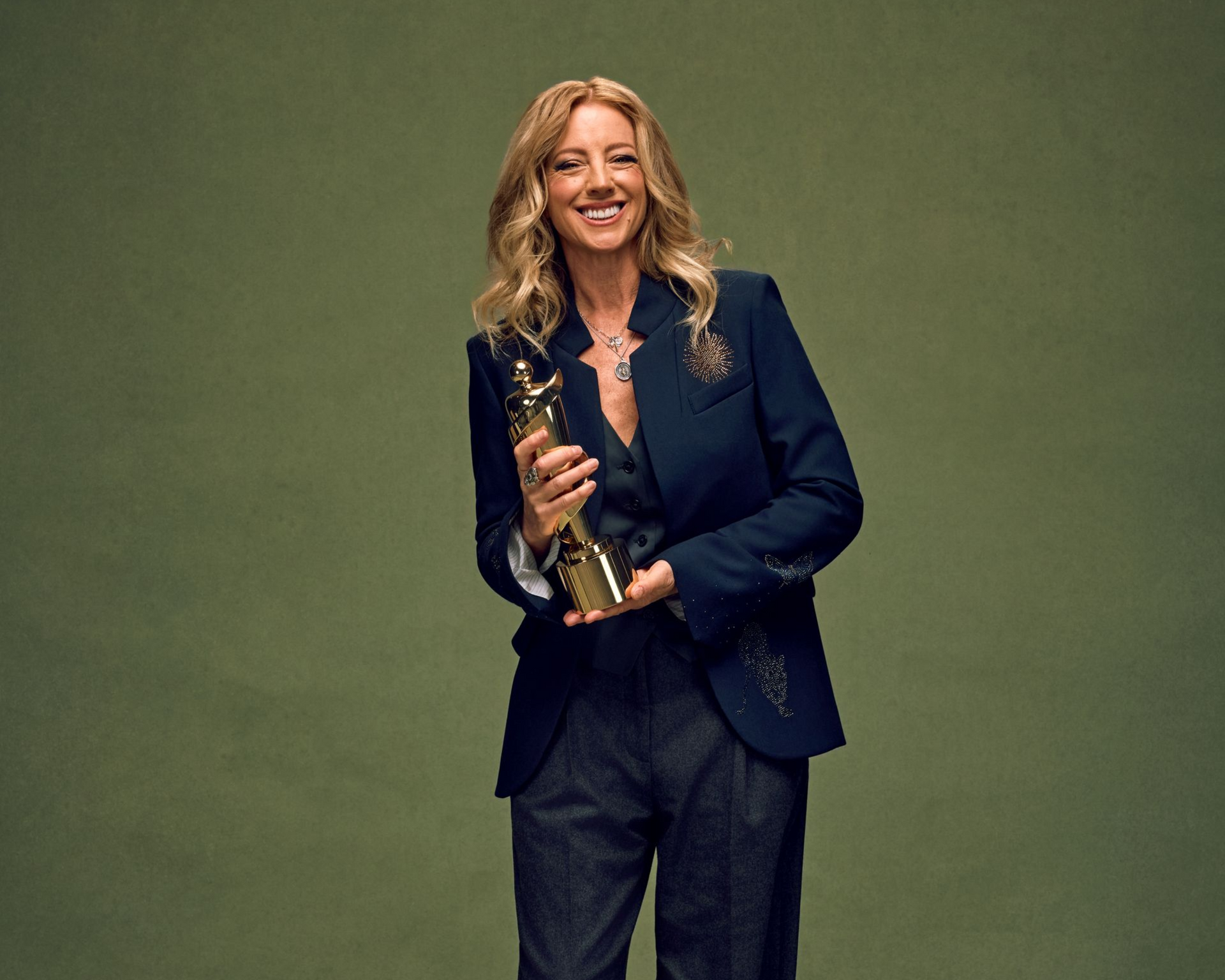
There is a special kind of magic that happens when artistry, passion, and meticulous production collide. At our core, we live for these moments; the ones where the lights dim, the first piano key strikes, and an entire room breathes in unison. These are the moments you don't just watch, you feel. The ones that you hold dearly in memory of the experience. Today, just 30 days away from one of the most prestigious nights in the global cultural calendar, that magic feels more electric than ever.  We are thrilled to be producing the upcoming Glenn Gould Prize Gala, an evening dedicated to a living legend who needs no introduction: Elton John. To produce an event of this cultural magnitude is an honor; to do so in celebration of a Glenn Gould Prize Laureate who has redefined the "human condition" through both music and humanitarianism is a career-defining privilege for our entire team. Sarah McLachlan² The excitement is palpable this week with the official announcement of our latest addition to the lineup. We are thrilled to welcome Sarah McLachlan to the stage. A Grammy and JUNO Award-winning icon, Sarah embodies the soul of Canadian music. She is a national treasure, and her presence adds a layer of profound grace to an already stellar "all-Canadian" tribute to Elton. For our team, this announcement feels like a beautiful reprise. Just weeks ago [on a Saturday night in March] we were immersed in the energy of the JUNO Awards Gala, another flagship production we are honored to bring to life. Having Sarah join the Glenn Gould Prize Gala, after her win on our JUNOS stage, creates a powerful continuation of the narrative. It underscores the strength of our relationships within the Canadian arts community and our commitment to showcasing world-class talent on world-class stages.
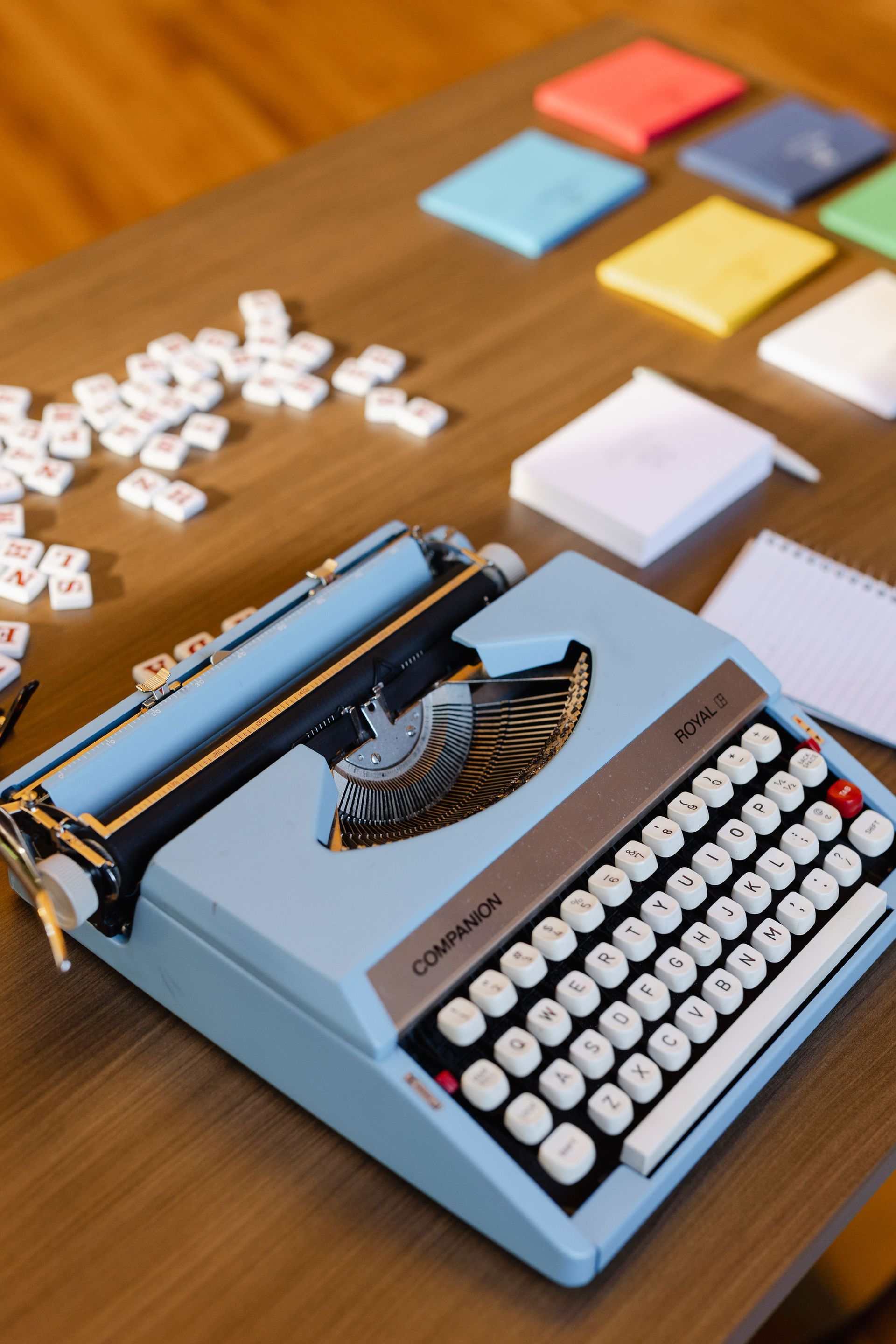
Blue typewriter with white keys on a wooden table, scattered tiles, small notepads, and colorful squares in the background.
By Keri Miller • October 28, 2025
Trends? What’s trending? Hmm… let me check my notebook, my spiral notebook. Last year at GO WEST in Edmonton, I attended a panel on generational differences in life and work. What struck me wasn’t the differences, but the alignment. Two of the panelists, a Boomer and a Gen Z, began speaking about “like” things. Gen Z expressed a desire to slow down, minimize technology in their daily lives, and live as simply as the Boomer once had. That conversation stuck with me. It led me to ask my own young adult kids, ages 23 and 25, how they were feeling about the pace of the world today. Their answers were the same: to slow down, to breathe, and to find space to actually absorb the world around them. We’ve been chasing innovation and technology for so long that it’s no surprise we’re now seeing a collective pause, and in many cases, a step back. Just like fashion, where everything eventually makes a comeback, we’re watching culture do the same. (Yay!) The difference is that this time, it’s not just silhouettes and shoulder pads returning, it’s a mindset. The 80s spirit of connection, creativity, and unfiltered living is re-emerging, not as a trend, but as a lifestyle shift. Across generations, but especially among younger audiences, there’s a growing movement toward reclaiming analog, tactile, and slower experiences. I call this The Great Rewind . Landlines are reappearing in homes. Vinyl records are selling at their highest levels in decades. People are curating their phone screens to strip away clutter and distraction. These choices aren’t about nostalgia alone, they’re about creating space for connection, peace, and presence in an overstimulated world. What’s especially interesting is the cross-generational bridge this creates. Gen Z and Millennials are actively engaging with Boomers to rediscover rituals that once seemed outdated: listening to an album from start to finish, picking up a phone connected to a wall, embracing experiences that require patience. The ritual matters as much as the result. For our industry, this signals a shift in how people want to experience life and, by extension, events. It’s not about rejecting technology outright but about rebalancing, valuing simplicity, authenticity, and intentional design. The future may not be about racing forward but about re-learning the beauty of slowing down. This is The Great Rewind , and as event professionals, it’s worth paying attention to.
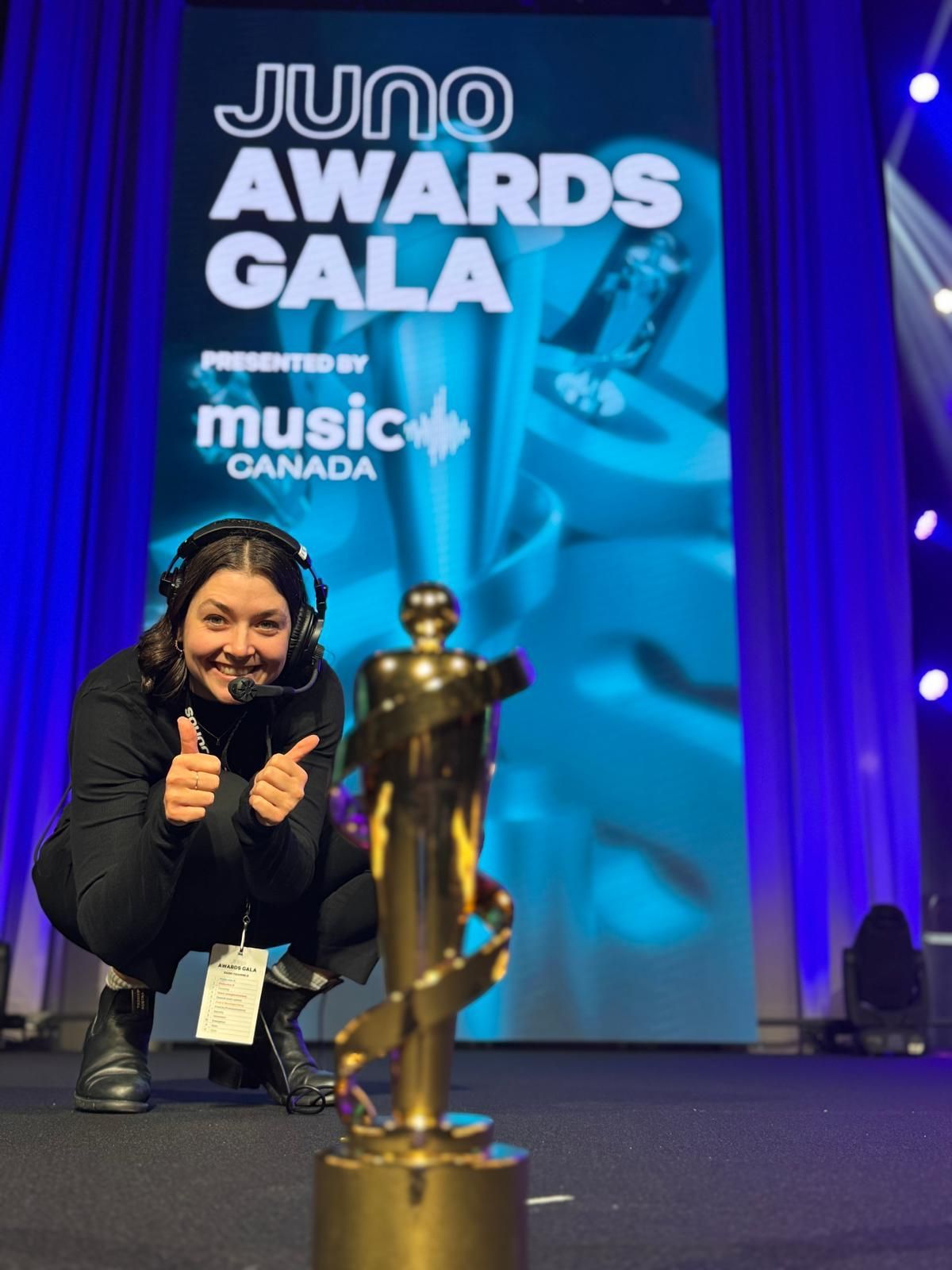
Woman kneeling next to Juno award trophy, smiling with thumbs up at the Juno Awards Gala backdrop.
By Stephanie Sisam • July 23, 2025
Our Experience Manager, Stephanie wrote a blog about the stage and what it truly means to her. Throughout this piece, Stephanie explains in her own words about the “e” way - it’s people and personalizations like this that make our events, conferences, productions, and incentive programs just feel different. ---- Despite my absolute inability to dance, growing up I dreamt of being on Broadway. Being centre stage in a theatre performing Gershwin [ yes, at fourteen I really did love Gershwin ] and tap dancing the show away. Obviously, that’s not quite how it turned out for teenage Stephanie, but her curiosity and love for the stage would bring her more opportunities than she could have imagined. When I began my journey with “e” the job felt mysterious. No show or event was ever the same twice. I learned that to be good at this job, it meant I had to be on top of everything, and to be great, I had to be ahead of everything. These might sound similar, but trust me, they are not. As my time with “e” progressed, the mystery faded, and I found myself closer and closer to an unexpected and familiar friend, the stage. Only this time, I was behind the curtain. I found a rhythm working with speakers from all sorts of industries and backgrounds. Many had never held a microphone or seen a teleprompter before. Often intimidated by the bright stage lights that blind them the moment before finding their mark. I learned that my dear friend had a tendency to make even the most senior leader nervous and my affection had a unique ability to put them at ease. And sometimes, just sometimes, even make it fun. In the famous 1993 publication, The Book of Lists , the number one top rated fear in the world was revealed to be Public Speaking. For perspective, death ranked number six. This statistic has always stayed with me. That, for whatever the reason may be, many find speaking in front of people is literally worse than dying. As a proud former theatre kid, I have experienced my share of stage fright. As a proud current stage manager, I ground myself in the privilege of being the last person our speaker, presenter, host, CEO, or whomever, will see before stepping into the spotlight and facing their [ possible ] worst fear. That it is up to me to remind them, you’ve got this, you’re prepared, and if you picture everyone in their underwear that is totally up to you, but I wouldn’t suggest it. Being behind the curtain may not sound as glamorous as Radio City Music Hall, but to many of those we work with, this IS their Radio City Music Hall. This is the biggest stage they will be on, and they are going on it – even if they can’t dance. Maybe it’s not as impressive as a pirouette, but trust me, sometimes a smile, a glass of water, and a binder open to the right page is the choreography they need in anticipation of stage lights. To be ahead of everything. It’s a wonderful experience to work with so many who are new to or nervous on the stage. To find a way to help them enjoy their moment in the spotlight. To be the first to congratulate them on an incredible performance as they step off is a gift I don’t take for granted. It feels purposeful and empowering to be the steady presence at the sidestage for those in the spotlight. Maybe it’s not centre stage at Radio City, but it is exactly where I belong.
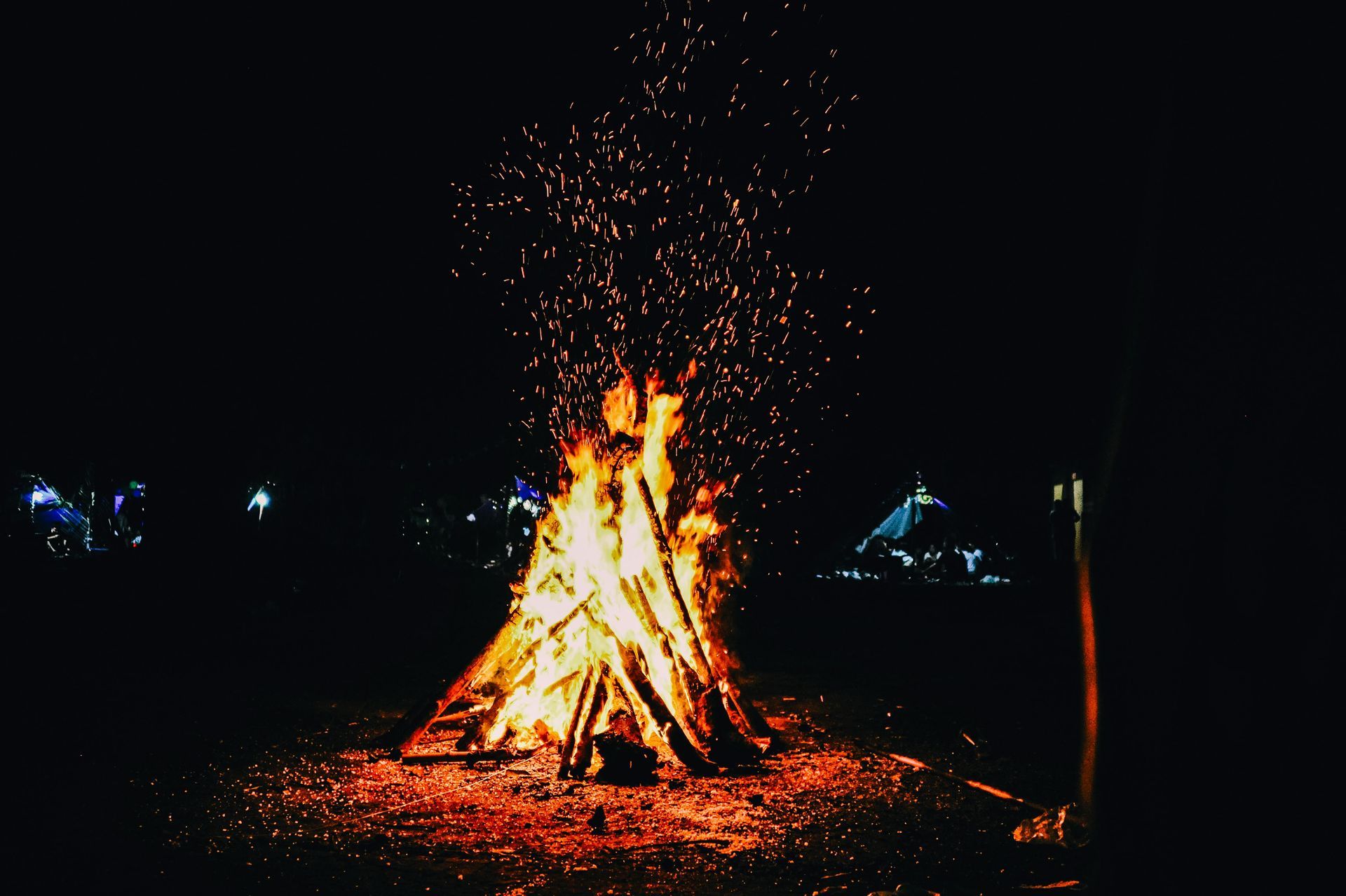
Bonfire Event
By Keri Miller • May 13, 2025
Earlier this year, our Keri was asked to write an article for Corporate Meetings Network . She delivered a thoughtful, timely perspective on the evolving role of events in today’s world. In "Events: Gathering Around the Modern Campfire," Keri explores how events have become more than just business functions; they’re powerful spaces for connection, storytelling, and shared experience. If you’ve ever wondered why certain gatherings just feel different, this one’s worth a read. --- I’m frustrated. Frustrated, and honestly, a bit embarrassed by humanity at the moment. A lot of that has to do with the way information is being shared, or more accurately, distorted, by many news and communication outlets. We’re living in a time where it’s incredibly hard to get a clear picture of what’s actually happening in the world. The news I see isn’t the same as what my friends in other regions are seeing. And it’s definitely not the same as what different communities and corners of the world are reacting to. It’s like we’re all watching different versions of reality play out and it’s exhausting. I grew up in a time when you could mostly trust that the information coming from reputable outlets was accurate. Journalists had a code; they told the truth, or at least tried to. Of course, we all knew which publications were a little more dramatic or sensational, but at least we knew. Headlines were consistent. News was delivered on everyone’s doorstep. There was some kind of shared baseline. Now, with all the noise, misinformation, and “alternative facts,” I keep wondering, where do we go to hear and experience something that feels real? Where can humans come together, hear the same words at the same time, and actually connect to them? Here’s the good news folks: Events. Meetings. Summits. Gatherings. More than ever, our work matters. When we bring people into a room (physically or virtually), and put a message on a stage, we create something powerful. Everyone hears it together. Everyone reacts in real time. No algorithms. No misinterpretations. Just a shared moment. I’m not saying events are always neutral or objective; of course we host groups with all kinds of different values, worldviews, and perspectives. But that’s not the point. The point is that we’re creating spaces for truth to be shared, seen, and felt together. That’s rare these days. And it’s meaningful. Years ago, Colja Dams from Vok Dams coined the phrase “the campfire gene”, the idea that humans are wired to gather around something warm and real, to share stories, to feel less alone. That’s always stuck with me. As a Canadian, I totally relate to the idea of sitting around a backyard fire, or being out in nature, listening, talking, sometimes in conflict with the other humans around me, but still feeling connected as a community. Events are the modern campfire. They’re where we come back to ourselves. Where we open up. Where we challenge each other or simply nod along. Where we remember what it feels like to be human in a room full of other humans. And in this noisy, confusing world, we need that more than ever. In a world flooded with misinformation and manipulated narratives, and curated realities, events are one of the last places where people can come together and experience something real. They cut through the noise. They allow us to witness truth – not just through content, but through connection. That’s the magic. That’s the power. The campfire is still burning, and it lives in the spaces we create. Around it, we find our people, hear our stories, and remember what it means to be part of something honest and human.
The words conversations matter are on a black background.
By Jocelyn Flanagan • January 31, 2025
A Message from Jocelyn: Conversations Matter Through Times of Change and Uncertainty As valued clients and partners, you know that we at e=mc² firmly believe that Experiences Matter , Connections Matter , and Conversations Matter . And now, more than ever, they Matter as we watch and read the news daily. They Matter as we monitor political developments and understand their impact on the event landscape. In 2025, we know that decisions and policies are being made daily that will impact our clients and our partners —from regulations and compliance to budget considerations and public perceptions. This changing landscape is creating a world where human connection is more essential than ever before. We are fully committed to our clients, our partners and our teams in each of the cities we operate across Canada to help our industry adapt and thrive, whether you are planning in Canada, the U.S., or around the globe. In times of change, fiscal responsibility and brand reputation are more important than ever. We have a 23-year track record at identifying creative solutions without compromising quality and creativity. Our commitment to delivering exceptional experiences remains unwavering and is driven by our four core company values: Invested, Insightful, Innovative and Honourable. We are honoured to stand by you as a trusted partner during these pivotal times. Please do not hesitate to reach out if you have any questions or would like to discuss how we can best support your upcoming events. We look forward to continuing our Conversations that Matter with you. Best regards, Jocelyn Flanagan